Financial watchdog cracks down on bank overdraft fees

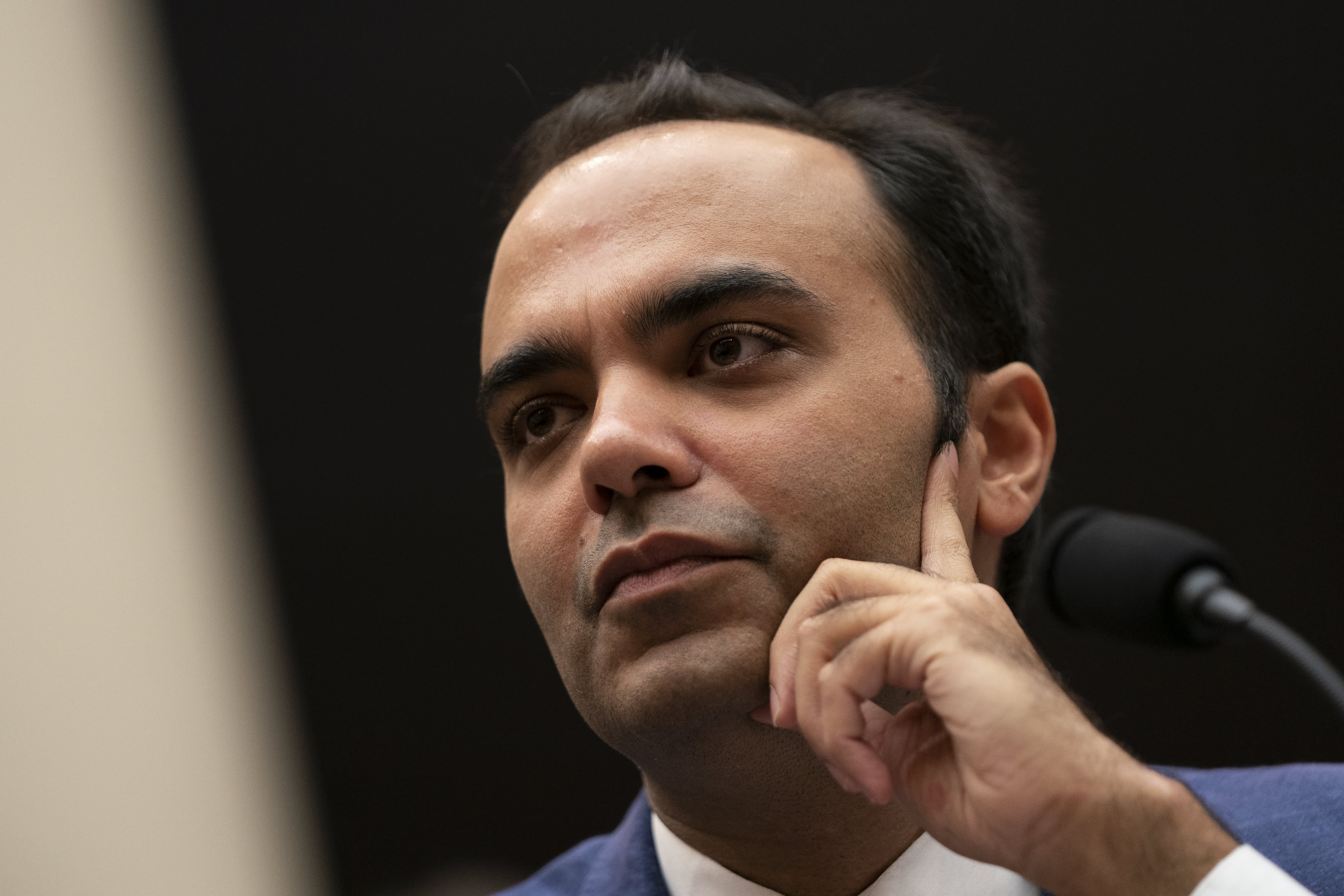
Rohit Chopra, director of the Consumer Financial Protection Bureau.

Alex Edelman/Bloomberg via Getty Images

The Consumer Financial Protection Bureau is cracking down on banks charging fees for customers who overdraw their checking accounts, the bureau announced Wednesday.

The financial watchdog is planning a “range of regulatory interventions” targeting firms that rely heavily on overdraft fees as a revenue source, Rohit Chopra, director of the CFPB, said in a press call.

Overdrafts occur when customers don’t have enough funds in their accounts to cover a transaction. Banks may allow the transaction to proceed, but charge a fee to cover the cost.

Charging for overdrafts and non-sufficient funds is a big money maker for banks, and has continued during the Covid-19 pandemic, Chopra said. Banks earned more than $15 billion from such charges in 2019, a figure that has risen steadily, according to the bureau.

More from Personal Finance:
Must-know changes for the upcoming tax season
More than half of employers to require Covid vaccines as omicron fears grow
Why Social Security retirement claims haven’t surged amid Covid-19

The fees, typically around $34 for each overdraft, largely impact families who can least afford them, Chopra said.

“Banks, especially big banks, continue to rely on overdraft and [non-sufficient funds] fees as a major source of revenue,” Chopra said. “Rather than competing on transparent upfront pricing, large financial institutions are still hooked on exploitative junk fees that can quickly drain a family’s bank account.”

The CFPB, a federal agency created by the Dodd-Frank financial reform law in the aftermath of the Great Recession, will increase its oversight of banks “heavily dependent” on overdraft fees, according to the Wednesday announcement.

Officials didn’t quantify what constitutes heavy reliance on overdraft fees. The agency will tell firms how they measure against peers, Chopra said.

The market won’t solve this on its own.

Rohit Chopra

director of the Consumer Financial Protection Bureau

The agency’s oversight will come via additional supervisory and enforcement scrutiny, according to the bureau.

The agency will take action against large banks with overdraft practices that violate the law, and officials will prioritize examinations of banks heavily reliant on overdrafts, Chopra said.

Officials declined to outline whether it will take additional steps to curb the practice.

Banks continued to charge overdraft fees during the Covid-19 pandemic, and shareholders enjoy a predictable, steady revenue stream from them, Chopra said.

Three banks — JPMorgan Chase, Wells Fargo and Bank of America — accounted for about $5 billion of total overdraft fees collected in 2019, representing 44{21df340e03e388cc75c411746d1a214f72c176b221768b7ada42b4d751988996} of the fees collected by banks with over $1 billion in assets, according to the CFPB.

Of course, not all banks charge customers for overdrafts. For example, Ally Bank, an online bank, got rid of overdraft fees earlier this year. And other firms, including PNC Bank and Bank of America, have made it tougher for customers to overdraw their accounts.

Capital One said Wednesday that it is eliminating all overdraft fees for retail banking customers starting in 2022. It’s the largest U.S. bank yet to end the industry practice. The bank expects to lose $150 million in annual revenue as a result.

Chopra said he’s not expecting other banks to follow in the near term.

“The market won’t solve this on its own,” Chopra said. “We have a clear market failure here,” he added.

A small share of households account for the bulk of overdraft revenue. About 9{21df340e03e388cc75c411746d1a214f72c176b221768b7ada42b4d751988996} of consumer accounts pay 10 or more overdrafts per year, accounting for close to 80{21df340e03e388cc75c411746d1a214f72c176b221768b7ada42b4d751988996} of all overdraft revenue, according to the CFPB.

The bureau will also “harness technology” to make it easier for customers to change banks, a difficult task due to the need to update information like automatic debits with many sources, Chopra said. He advocated for an “open banking infrastructure” in the future to make this easier, but didn’t detail how or when this might come to fruition.

(Correction: The market share of overdraft revenue for three large banks was misstated by the CFPB in an earlier version of this story. The agency has since amended the figures.)

Ray Dalio says cash is not a safe place right now despite heightened market volatility

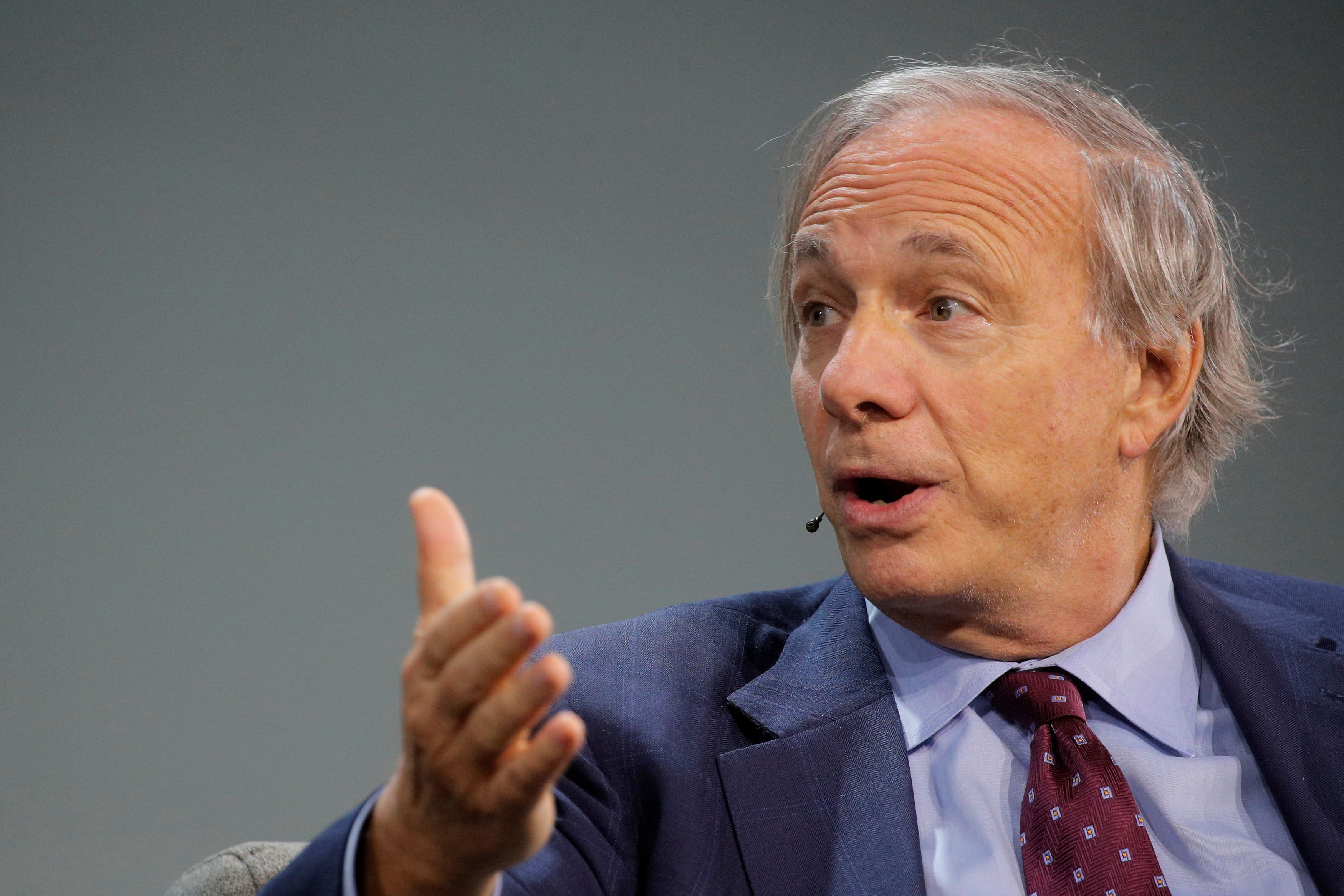
Bridgewater Associates’ Ray Dalio stood by his belief that cash is not the place to be despite the volatility in the markets triggered by the new Covid omicron variant.

“Cash is not a safe investment, is not a safe place because it will be taxed by inflation,” the founder of the world’s biggest hedge fund said Tuesday on CNBC’s “Squawk Box.”

During turbulent times, it’s also important to be in a safe, well-balanced portfolio, the billionaire investor said.

“You can reduce your risk without reducing your returns. You will not market-time this. Even if you were a great market timer, the things that are happening can change the world, so it changes what could be priced into the market,” Dalio said.

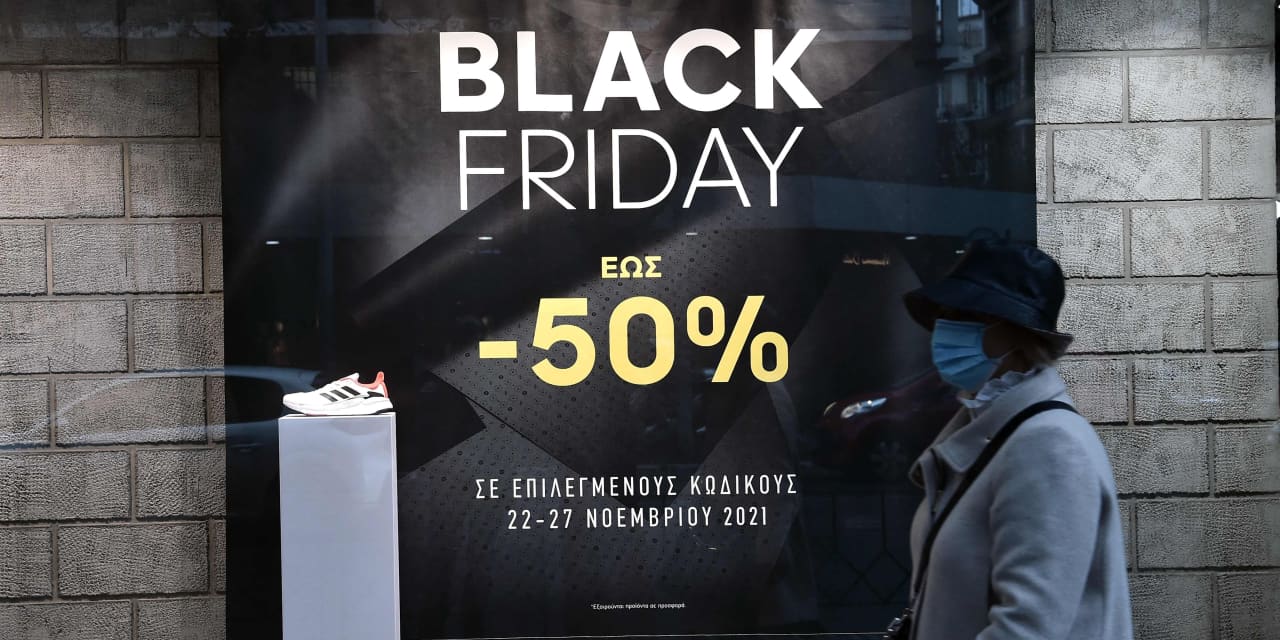
The omicron strain of the coronavirus, first identified in South Africa, rattled the stock market on Black Friday after the World Health Organization labeled it a “variant of concern.” The Dow Jones Industrial Average slid 900 points Friday to suffer its worst day since October 2020. Stock futures indicated another big down day following a rebound Monday on Wall Street as investors monitored the ongoing health crisis.

The stock market rebounded swiftly from the pandemic bottom in March 2020 thanks to the massive fiscal and monetary stimulus measures the government and the Federal Reserve orchestrated to support the economy. However, the excess money supply in the system could create certain economic and political problems, Dalio said.

“You can’t raise living standards by raising the amount of money in credit in the system because that’s just more money chasing the same amount of goods,” he said. “It will affect financial markets in the ways we’ve seen and it will affect the inflation rate. It won’t raise living standards in an important way. As inflation then begins to bite, it has political consequences.”

A key inflation gauge spiked in October, accelerating at its fastest pace since the early 1990s. The personal consumption expenditures price index excluding food and energy, a measure closely followed by Federal Reserve policymakers, rose 4.1{21df340e03e388cc75c411746d1a214f72c176b221768b7ada42b4d751988996}. 

The central bank has been wrestling with inflation that has been more aggressive and persistent than they had anticipated. Officials have said they believe inflation is at the point where they can start gradually reducing the amount of monthly stimulus they are providing through bond purchases.

“What we are seeing happen has played out many, many times in history; it’s like watching the movie over again,” Dalio said.

“A New Perspective on Investing in Financial Markets”, an interview with Kardanian, a Leading Middle East Trader

Mahan Teymouri

Mahan Teymouri

Tehran, Iran, Nov. 29, 2021 (GLOBE NEWSWIRE) — During the 8 years of my experience in financial markets like Stock, Forex and cryptocurrency, according to the observations, statistics and existing data, I get that most people (about 90{21df340e03e388cc75c411746d1a214f72c176b221768b7ada42b4d751988996}) have been caused so many damages to their initial funds by entering these markets. They have not even earned money but also lost it.

I investigate 440 people, who have been in the markets more than 2 years. They indicated that they get no money and have not a little increase in their funds. But what is the reason of such a failure?

1- Lack of knowledge (not knowing yourself or markets)

Unfortunately, most people trading in the different markets have no idea about their mental and physical situations or even don’t know what works in these days. Unlike the public assumptions, interest and attempt is not enough to be successful in the markets. These are just the basics, there are much more things to know that I just name some the most important ones:

  • Being patient: There is no way to get rich in one night. Markets act like a swamp for those who are not patient. It gets hours, months and years to reach the point that you start making continuous profits.

  • Having enough time: Trading is not a part-time job. You need to spend several hours a day, especially in the beginning, for studying, learning and monitoring the charts in order to identify investing opportunities. If you don’t have much time, it’s better to avoid the markets.

  • Being disciplined: Act like a robot. Don’t get emotional and freaky. If you behave like a robot which has organized mind(programs), no feelings, you’ll be surely successful. Otherwise, you’ll fail with no doubt.

  • Knowing markets in depth: Markets differs in rules and the types of activities. Each market has its own way and identity and it’s necessary to know it in depth ahead. This helps you to get whether your intended market fits your situation and personality or not. For instance, ask yourself if your ideal market is the one in which you can have daily and short-term trades or middle/long-term trades. You can also think of what kind of analysis is needed to be used in this market. Do you know it by heart? Does the working hours of that market match the hours of your country? And etc. These questions cause you to make the best decisions.

2- Letting feelings take control of you

As the researches show, most people give in to their emotions and excitements. Because they don’t want to stay behind, they start trading without any knowledge or experience. This causes them hard failures and losses.

Why think of studying and compensating while you can do it sooner and avoid losses?

3- Wrong information

I told you about the risks of getting into the markets without any knowledge. But you know what is the worse? Being part of the market while you’ve got wrong information. Sometimes people have trained ahead but the things they’ve learned is not correct or enough due to lack of accurate information sources. Many people who work in the field of financial market training, are not qualified and their wrong teachings lead people to a wrong way.

According to my research on 440 traders, this 2nd group suffers more losses than the ones who know nothings about the markets. The first group do what the specialized tell them but the second group act by their incorrect information.

4- Lack of a clear trading plan

More than 90{21df340e03e388cc75c411746d1a214f72c176b221768b7ada42b4d751988996} of the financial markets’ participants don’t have a clear trading plan and it leads them to failures. Having no clear trading plan and strategies will end to irrational behaviors.

These people are doomed to failure due to lack of rules, orders, disciplines and strategies.

I always urge my students to have a written trading plan and check it carefully before entering into any trade. It’s a big help to write down the strategy you have in mind.

5- Lack of attention to trading risks

The most important difference between successful and unsuccessful people is that the successful usually weight the risks of the trade they want to enter, so they avoid emotional and irrational behaviors and also the risky trades with high levels.

On the contrary, the amateurs just think of the profits and as a result, the risk of the trades increases. These people even the best analyzer of them will eventually lose their profits in several small loss-making trades with high risk.

6- Eccentric expectations

Trading is hard and stressful and needs high consideration. Having eccentric expectations will add to this stress and make you distracted. When the markets do not meet your expectations, your attentions will fly away and there is no end to the loop of mistakes.

The path of success is slow and continuous and there is no shortcut. When you get this, your mind will settle down, expectations will fade away and instead focus and work efficiency increase.

7- Addiction to trading

Many traders are involving in a problem called overtrade. They get used to trading again and again with no stop. As a result, they lost their logic and mind orders. Finally, because of low mind efficiency and lack of discipline, they lost so much money.

Their main problem is not being able to filter the trades. They see a chance and rush into it without considering the risks. Most of the times, these traders don’t get successful in spite of their efforts and the number of the trades they do.

These are just some of the reasons why people are not successful in financial markets but also the most important ones that are almost common among all those who have experienced many failures in the markets.

According to what said, I can say on contrary to popular belief in the simplicity of working in financial markets, working in these markets requires precise knowledge, sufficient time, patience and extensive training.

I believe that the philosophy of creating financial markets for real and small people is to make them lose. Their losses will bring profits to the big traders. This is also the main reason for your easy way to the financial markets and your access to a variety of credits and levers.

That’s why I recommend you to study this essay before stepping in the markets and investigate the nature of each. In the first months, use demos to practice until you get enough experienced and find yourself a real and written trade plan and strategy.

After that you’re ready to start trading. Try it with the 10{21df340e03e388cc75c411746d1a214f72c176b221768b7ada42b4d751988996} of your money, the one which will not cause big pain if lost. Examine your trading plan in real market for about 6 months. It is possible to experience many failures during this time but no matter. This is the expenses of getting experienced. For these six months, the purpose is not getting successful and earning money but is not to fail.

I promise if you hold on these 6 months and trade (while controlling your emotions and considering all possible risks) in order to keep the money (even if you earn not a dollar), you will definitely be one of the best traders in future. And after 5 years, you’ll be in a position that many dream of.

For the original news story, please visit https://prdistribution.com/news/a-new-perspective-on-investing-in-financial-markets-an-interview-with-kardanian-a-leading-middle-east-trader.html

CONTACT: Media Company: Mahan Teymouri International Holding & Kaafx, Media Name: Vahid Kardanian, Media Phone: +982143000203, Media Email: Mahanteymouri@gmail.com, Media URL: https://mahanteymouri.com/

Analysis: EU adds more pieces to its ‘elusive’ capital market jigsaw

The German share price index DAX graph is pictured at the stock exchange in Frankfurt, Germany, November 9, 2020. REUTERS/Staff/File Photo

Register now for FREE unlimited access to reuters.com

LONDON, Nov 25 (Reuters) – The European Union has moved a step closer to its vision of creating a single capital market across the bloc, a slow moving process but one that is chipping further away at Britain’s status as Europe’s investment banker.

The bloc first began an ambitious – but tortuous – process of ultimately creating a single EU securities market in 2015.

Creating a single market should make it easier for companies to issue and bonds and shares, enabling them to spread risk and be less reliant on just bank loans for funding – the risks of which were highlighted during the euro zone crisis.

Register now for FREE unlimited access to reuters.com

On Thursday, the EU set out proposals to introduce a single ‘consolidated’ set of prices for stocks and bonds listed across the EU and a single portal for corporate information – akin to Wall Street’s Edgar system – analysts say the vision will gain more traction. read more

“Those two for me are key to setting up the whole CMU (capital markets union) effort and when that’s in place you will see a real push to further it. Onwards and upwards,” said Mairead McGuinness, the EU’s financial services chief.

The initial plans for a capital markets union were set out in 2015 by McGuinness’ then British predecessor Jonathan Hill to much fanfare, promising the building blocs would be in place by 2019.

Follow-up measures two years later raised expectations further, but an EU official acknowledged that there remains a perception that CMU is an ‘elusive’ goal.

“Perhaps the mistake of the original version of capital markets union was that it gave the impression that CMU was a legislative project that could be ‘completed’ by passing lots of new regulations,” said William Wright, head of New Financial, a London-based think tank that does research on European capital markets.

“The current version may look less ambitious but is taking a more practical and tangible approach,” Wright said.

The EU capital market is still little more than a quarter as deep as that of the United States, relative to GDP, with Britain’s twice as deep as the bloc, according to New Financial figures.

Sander Schol, a former banker who is head of EU public affairs at consultants Hanbury Strategy, said the less controversial CMU measures have been approved previously and Brussels’ latest proposals tackle more difficult issues, though rules on even tougher issues that are crucial, such as harmonising insolvency rules, are still missing.

This time round the EU executive, the European Commission, has proposed thornier steps for knitting together national markets by creating an EU tape or record of stock and bond trades by 2024, a step exchanges will lobby hard to water down.

A single EU point of access for information on listed companies to mirror the ‘Edgar’ filings system on Wall Street, is also proposed.

But far tougher reforms like harmonising settlement, taxes on investments and accounting will need tackling to create a truly seamless EU securities market like in the United States, Schol and others said.

“Market participants have asked for harmonisation of settlement and insolvency laws but member states don’t want to change insolvency rules, for example, because if you start tinkering with those then you have to change the legal foundations of each country,” Schol said.

STRATEGIC AUTONOMY

Brexit, the recovery from COVID-19 and the need for massive investments to tackle climate change have added a sense of urgency to CMU that was missing six years ago as Brussels seeks to build “strategic autonomy” in sectors like finance.

Britain’s exit has shown Brussels that the bloc’s markets can largely stand on their own feet after billions of euros in daily trading of shares, interest rate swaps and EU emissions allowances left London for Amsterdam without market disruption.

Previously a relatively small financial centre, the Dutch capital became Europe’s biggest share trading centre immediately after Brexit, although London is now roughly neck and neck. Amsterdam has also attracted 22 public floats and private placements so far this year, raising 10.7 billion euros ($11.99 billion).

There have been 108 floats on the London Stock Exchange which raised 16.1 billion pounds ($21.47 billion), though London is aware of how it trails New York, which has raised $128 billion this year.

London is expected to remain Europe’s top financial centre in coming years and the EU still relies on London for clearing interest rate swap trades worth trillions of euros, but here too Brussels is determined to reduce reliance over coming years.

“One way to think about CMU is as a multi-decade process of laying the important foundations over five to 10 years and then building on them over the next 10 to 20 years: the United States has a 150-year head start and still doesn’t have a full ‘CMU’,” Wright said.

In reality, CMU was never going to happen overnight and remains a work in progress, said McGuinness, already flagging her next batch of measures due next year to include simplifying listing rules, making cross-border payments more efficient, and finally seeking to harmonise aspects of insolvency laws.

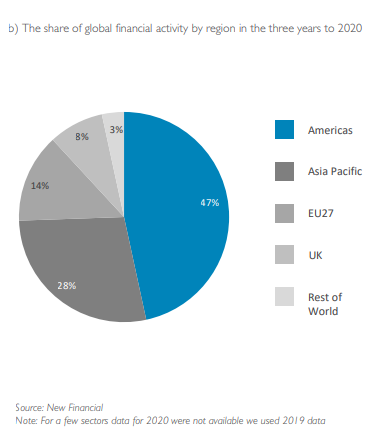
New Financial Global CMU Graphic

($1 = 0.8928 euros)

($1 = 0.7497 pounds)

Register now for FREE unlimited access to reuters.com

Reporting by Huw Jones; Editing by Susan Fenton

Our Standards: The Thomson Reuters Trust Principles.

Dow plunges 905 points in Black Friday selloff, books worst day in over a year as WHO declares new COVID ‘variant of concern’

U.S. stock benchmarks suffered withering losses on Friday as stock and commodity markets plunged, after scientists detected a new COVID variant in South Africa that could be to blame for a recent sharp surge in cases, especially in Europe.

U.S. markets were closed for Thanksgiving on Thursday and ended at 1 p.m. Eastern Time on Friday, three hours earlier than usual, and bond market trading ends at 2 p.m., an hour earlier than is typical.

How are stock-index futures trading?
  • The S&P 500
    SPX,
    -2.27{21df340e03e388cc75c411746d1a214f72c176b221768b7ada42b4d751988996}
    fell 106.84 points, or 2.3{21df340e03e388cc75c411746d1a214f72c176b221768b7ada42b4d751988996}, to 4,594.62.

  • The Dow Jones Industrial Average
    DJIA,
    -2.53{21df340e03e388cc75c411746d1a214f72c176b221768b7ada42b4d751988996}
    slumped 905.04 points, or 2.5{21df340e03e388cc75c411746d1a214f72c176b221768b7ada42b4d751988996}, to 34,899.34, with the index logging the worst daily drop since Oct. 28, 2020, according to FactSet data.

  • The decline for the Dow saw it mark its first close below its 50-day moving average at 35,261.93 since Oct. 14.

  • The Nasdaq Composite Index COMP declined 353.57 points, or 2.2{21df340e03e388cc75c411746d1a214f72c176b221768b7ada42b4d751988996}, to15,491.66.

  • The decline for the S&P 500, Dow and Nasdaq Composite posted their worst Black Friday performance since 1950.

On Wednesday, the Dow industrials
DJIA,
-2.53{21df340e03e388cc75c411746d1a214f72c176b221768b7ada42b4d751988996}
fell 9.42 points to finish nearly flat at 35,804.38. The S&P 500
SPX,
-2.27{21df340e03e388cc75c411746d1a214f72c176b221768b7ada42b4d751988996}
slipped 0.2{21df340e03e388cc75c411746d1a214f72c176b221768b7ada42b4d751988996} to close at 4,701.46, just 0.1{21df340e03e388cc75c411746d1a214f72c176b221768b7ada42b4d751988996} below its Nov. 18 record close of 4,704.54, according to Dow Jones Market Data. The Nasdaq Composite Index
COMP,
-2.23{21df340e03e388cc75c411746d1a214f72c176b221768b7ada42b4d751988996}
rose 0.4{21df340e03e388cc75c411746d1a214f72c176b221768b7ada42b4d751988996} to 15,84.23.

What’s driving the market?

It was an ugly day for stock investors during a thinly traded Black Friday session, which was susceptible to big swings on alarming news from public health officials who were assessing a new variant of the coronavirus that causes COVID-19.

Late in the session, the World Health Organization’s technical advisory group assigned the B. 1.1.529 variant of the virus the Greek letter omicron and declared it a “variant of concern,” as it did with the delta variant.

Fear of a new variant overshadowed the usual focus on U.S. Black Friday shopping day, which puts the focus on retailers as consumers shop for bargains.

Particularly notable about the variant is the “large number of mutations, some of which are concerning,” the WHO group said in a statement. The mutations could make omicron more resistant to the current batch of vaccines.  

The discovery of the new COVID strain was announced on Friday by South Africa’s health minister Joe Phaahla. He said scientists were concerned because of its high number of mutations and the dramatic surge in infections the country had seen over the past four or five days.

“The pandemic and COVID variants remain one of the biggest risks to markets, and are likely to continue to inject volatility over the next year(s),” wrote Keith Lerner, co-chief investment officer and chief market strategist at Truist Advisory Services, in a Friday note. “It’s hard to say at this point how lasting or impactful this latest variant will be for markets,” the analyst wrote. 

The omicron strain has been detected in Botswana and in Hong Kong in travelers who had visited South Africa.

“The one bull in the China shop that could truly derail the global recovery has always been a new strain of Covid-19 that swept the world and caused the reimposition of mass social retractions,” said Jeffrey Halley, senior market analyst, at OANDA, in a note. “All we know so far is the B. 1.1.529 is heavily mutated but markets are taking no chances.”

“Just when you thought Covid was being controlled in a holiday shortened week,” said Sam Stovall, chief investment strategist at CFRA Research, in emailed comments.

‘It makes sense to have a market significant correction given the high level of uncertainty.’


— Jay Hatfield, CEO and portfolio manager at Infrastructure Capital Management

Trading around the Thanksgiving holiday is often associated with lower trading volumes as traders typically wait until Monday to return to work. There was no U.S. economic data on the calendar for Friday.

After new cases stabilized at 200 a day, South Africa reported more than 1,200 on Wednesday and 2,465 on Thursday.

The U.K. government is banning flights from South Africa along with five other African nations, effective Friday.

“Predictably, energy, travel related and financials are the leading decliners and treasuries are rallying,” wrote Jay Hatfield, CEO and portfolio manager at Infrastructure Capital Management, in emailed comments on Friday.

“It makes sense to have a market significant correction given the high level of uncertainty,” the money manager wrote.

“At this stage very little is known,” Deutsche Bank strategists, led by Jim Reid, told clients in a note. “Mutations are often less severe so we shouldn’t jump to conclusions but there is clearly a lot of concern about this one. Also South Africa is one of the world leaders in sequencing so we are more likely to see this sort of news originate from there than many countries. Suffice to say at this stage no one in markets will have any idea which way this will go.”

Read: Facing the biggest inflation surge in 30 years, shoppers expect to spend a lot more this holiday season

Which companies are in focus?
  • Drugmaker stocks were on the rise, including Pfizer PFE advanced by 6.1{21df340e03e388cc75c411746d1a214f72c176b221768b7ada42b4d751988996}, and Moderna MRNA stock rallied by about 21{21df340e03e388cc75c411746d1a214f72c176b221768b7ada42b4d751988996}.

  • Travel-related stocks were on the backfoot: Expedia EXPE fell nearly 9,5{21df340e03e388cc75c411746d1a214f72c176b221768b7ada42b4d751988996}

  • Shares of airliners and cruise ships Delta Air Lines DAL, fell 8.3{21df340e03e388cc75c411746d1a214f72c176b221768b7ada42b4d751988996}, Norwegian Cruise NCLH, down 11.4{21df340e03e388cc75c411746d1a214f72c176b221768b7ada42b4d751988996}, and Royal Caribbean RCL shares slid 13{21df340e03e388cc75c411746d1a214f72c176b221768b7ada42b4d751988996}, United Airlines UAL declined 9.6{21df340e03e388cc75c411746d1a214f72c176b221768b7ada42b4d751988996}, Southwest Airlines LUV shares dropped 4.3{21df340e03e388cc75c411746d1a214f72c176b221768b7ada42b4d751988996}, American Airlines’s AAL stock slumped 8.8{21df340e03e388cc75c411746d1a214f72c176b221768b7ada42b4d751988996}.

  • Meanwhile, shares of companies associated with the stay-at-home trade were set to rise, including Netflix NFLX rose 1.1{21df340e03e388cc75c411746d1a214f72c176b221768b7ada42b4d751988996} and Peloton Interactive Inc.
    PTON,
    +5.67{21df340e03e388cc75c411746d1a214f72c176b221768b7ada42b4d751988996}
    advanced 3.4{21df340e03e388cc75c411746d1a214f72c176b221768b7ada42b4d751988996}, while Zoom Video Communications Inc. shares
    ZM,
    +5.72{21df340e03e388cc75c411746d1a214f72c176b221768b7ada42b4d751988996}
    rallied 5.7{21df340e03e388cc75c411746d1a214f72c176b221768b7ada42b4d751988996}.

How are other markets faring?
  • The 10-year Treasury note TMUBMUSD10Y retreated by more than 10 basis points to ell to around 1.54{21df340e03e388cc75c411746d1a214f72c176b221768b7ada42b4d751988996}, versus 1.644{21df340e03e388cc75c411746d1a214f72c176b221768b7ada42b4d751988996} on Wednesday at 3 p.m. ET. The bond market was closed on Thursday in observance of U.S.

  • The ICE U.S. Dollar Index DXY, a measure of the currency against a basket of six major rivals, was down 0.7{21df340e03e388cc75c411746d1a214f72c176b221768b7ada42b4d751988996}.

  • Gold futures for December delivery GCZ21 rose less than 0.1{21df340e03e388cc75c411746d1a214f72c176b221768b7ada42b4d751988996} to trade at $1,785.30 an ounce. U.S. oil futures CLF22 traded off more than 12{21df340e03e388cc75c411746d1a214f72c176b221768b7ada42b4d751988996} at around $68.27 a barrel.

  • The Stoxx Europe 600 SXXP closed 3.7{21df340e03e388cc75c411746d1a214f72c176b221768b7ada42b4d751988996} lower, and London’s FTSE 100 index UKX also gave up 3.6{21df340e03e388cc75c411746d1a214f72c176b221768b7ada42b4d751988996}.

  • In Asia, the Shanghai Composite SHCOMP finished off 0.5{21df340e03e388cc75c411746d1a214f72c176b221768b7ada42b4d751988996} higher, while the Hang Seng Index HSI lost 2.7{21df340e03e388cc75c411746d1a214f72c176b221768b7ada42b4d751988996} in Hong Kong. China’s CSI 300 000300 declined 0.7{21df340e03e388cc75c411746d1a214f72c176b221768b7ada42b4d751988996} and Japan’s Nikkei 225 NIK finished 2.5{21df340e03e388cc75c411746d1a214f72c176b221768b7ada42b4d751988996} lower.

Stocks sink on fears over new coronavirus strain | Financial Markets

Stocks, US Treasury yields and oil sink as new COVID-19 strain rattles markets.

By Bloomberg

Stocks, Treasury yields and oil sank Friday while the yen jumped as a new Covid-19 strain discovered in southern Africa sent a wave of caution across global markets.

An Asia-Pacific equity gauge was set for the worst slide since March, with Japan and Hong Kong underperforming and travel shares among the biggest decliners. U.S. and European futures fell and the 10-year Treasury yield dropped to 1.56{21df340e03e388cc75c411746d1a214f72c176b221768b7ada42b4d751988996}.

The World Health Organization and scientists in South Africa are studying the recently identified variant described as very different to previous versions and of serious concern. The U.K. and Israel banned flights from South Africa and some neighboring countries. Hong Kong confirmed two cases of the strain.

The dollar was at a 16-month high, while South Africa’s rand weakened and commodity currencies retreated. Crude shed 3{21df340e03e388cc75c411746d1a214f72c176b221768b7ada42b4d751988996} and gold rose. U.S. markets, closed Thursday for Thanksgiving, will have a shortened Black Friday session.

The detection of the strain comes on top of concerns in markets about high inflation and the prospect of quicker exit from ultra-loose monetary settings. Global shares are up about 16{21df340e03e388cc75c411746d1a214f72c176b221768b7ada42b4d751988996} this year, weathering a plethora of risks after investors poured almost $900 billion into equity exchange-traded and long-only funds in 2021 — topping the combined total from the past 19 years.

“It’s a scary headline” about the virus variant, so it may have caused a knee-jerk reaction, said Kyle Rodda, an analyst at IG Markets Ltd. He added that “North America off the desks means there’s a wall of buyers missing” and that thinner markets make for more pronounced moves.

Variant ‘playbook’

December futures on the Cboe Volatility Index, a gauge of implied equity swings for the S&P 500, advanced as traders braced for turbulence when U.S. markets reopen.

Justin Tang, head of Asian research at United First Partners, pointed out that “the world has gone through this before with delta,” adding “there is already a playbook for such situations” and that “mutations are expected and not something unknown.”

Meanwhile, Goldman Sachs Group Inc. economists said they expect the Fed to tighten policy faster than previously anticipated, including doubling the pace at which it tapers bond purchases to $30 billion a month from January. They see an interest-rate liftoff from near zero in June.

In China, regulators have asked Didi Global Inc.’s top executives to devise a plan to delist from U.S. bourses, people familiar with the matter said. That may revive fears about Beijing’s intentions for its giant technology industry. A gauge of Chinese tech stocks slid.

The Chinese economy continued to slow in November with car and homes sales dropping again as a housing market crisis dragged on, according to Bloomberg’s aggregate index of eight early indicators.

For more market analysis, read our MLIV blog.

Here are some key events this week:

  • Bank of England Governor Andrew Bailey speaks with Mohamed El Erian at a Cambridge Union event. Thursday
    Some of the main moves in markets:

Stocks

  • S&P 500 futures fell 1{21df340e03e388cc75c411746d1a214f72c176b221768b7ada42b4d751988996} as of 5 a.m. in London. The S&P 500 rose 0.2{21df340e03e388cc75c411746d1a214f72c176b221768b7ada42b4d751988996} on Wednesday
  • Nasdaq 100 futures fell 0.5{21df340e03e388cc75c411746d1a214f72c176b221768b7ada42b4d751988996}. The Nasdaq 100 rose 0.4{21df340e03e388cc75c411746d1a214f72c176b221768b7ada42b4d751988996} on Wednesday
  • Japan’s Topix index dropped 2.2{21df340e03e388cc75c411746d1a214f72c176b221768b7ada42b4d751988996}
  • Australia’s S&P/ASX 200 index fell 1.7{21df340e03e388cc75c411746d1a214f72c176b221768b7ada42b4d751988996}
  • South Korea’s Kospi index shed 1.6{21df340e03e388cc75c411746d1a214f72c176b221768b7ada42b4d751988996}
  • Hong Kong’s Hang Seng index declined 2.2{21df340e03e388cc75c411746d1a214f72c176b221768b7ada42b4d751988996}
  • China’s Shanghai Composite index lost 0.6{21df340e03e388cc75c411746d1a214f72c176b221768b7ada42b4d751988996}
  • Euro Stoxx 50 futures tumbled 2.1{21df340e03e388cc75c411746d1a214f72c176b221768b7ada42b4d751988996}

Currencies

  • The Bloomberg Dollar Spot Index rose 0.2{21df340e03e388cc75c411746d1a214f72c176b221768b7ada42b4d751988996}
  • The euro was at $1.1223, up 0.1{21df340e03e388cc75c411746d1a214f72c176b221768b7ada42b4d751988996}
  • The Japanese yen was at 114.72 per dollar, up 0.6{21df340e03e388cc75c411746d1a214f72c176b221768b7ada42b4d751988996}
  • The offshore yuan was at 6.3934 per dollar, down 0.1{21df340e03e388cc75c411746d1a214f72c176b221768b7ada42b4d751988996}

Bonds

  • The U.S. 10-year Treasury yield fell eight basis points to 1.56{21df340e03e388cc75c411746d1a214f72c176b221768b7ada42b4d751988996}
  • Australia’s 10-year bond yield fell nine basis points to 1.78{21df340e03e388cc75c411746d1a214f72c176b221768b7ada42b4d751988996}

Commodities

  • West Texas Intermediate crude fell 3{21df340e03e388cc75c411746d1a214f72c176b221768b7ada42b4d751988996} to $76.06 a barrel
  • Gold was at $1,797.75 an ounce, up 0.5{21df340e03e388cc75c411746d1a214f72c176b221768b7ada42b4d751988996}