

New York
CNN
—
In the 1980s, a new type of specialty retail chain started to emerge: “category killers.”
The stores’ powerhouse business model was aimed at giving shoppers access to every different size, style and color of a product imaginable – all in one place and at reduced prices.
Category killers, which began to dominate entire merchandise categories, opened stores typically under 50,000 square feet – bigger than independent shops but smaller than Walmart superstores – in strip mall centers all over the suburbs. Shoppers embraced these overstuffed emporiums.
Staples is “a classic ‘category killer,’ like Toys R Us,” Mitt Romney, then Bain & Co.’s managing general partner, said in 1989.
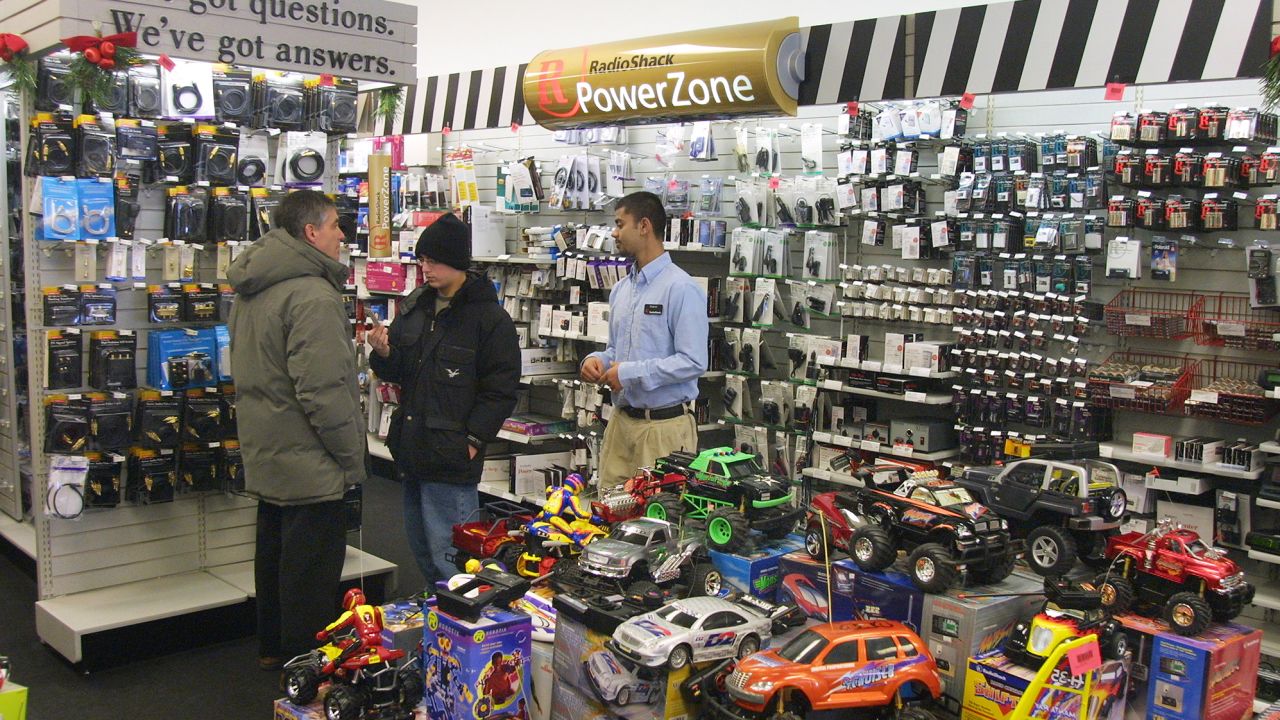
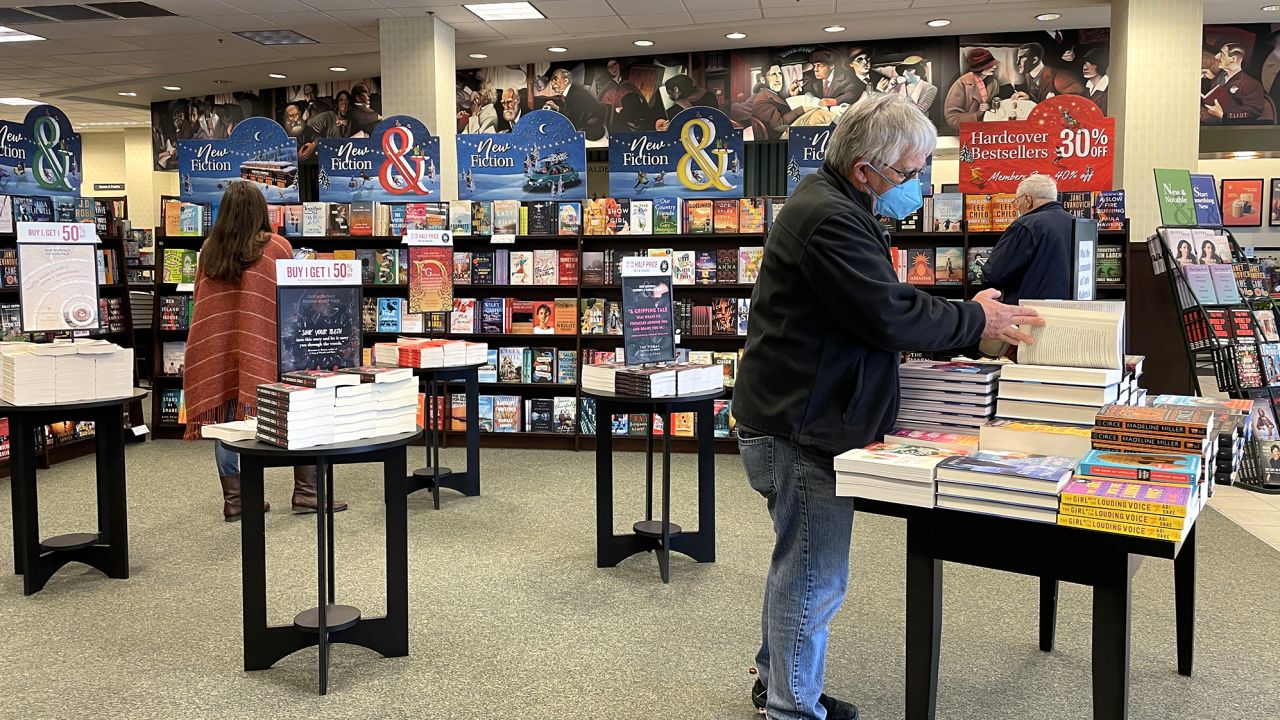
These companies, along with RadioShack, Blockbuster, Barnes & Noble and others, spread into the 2010s, remaking how Americans shopped and steamrolling right over mom-and-pop stores.

But the category killer’s time has passed.
Toys “R” Us, Blockbuster and RadioShack are gone. Staples and Barnes & Noble are still around, but they have struggled and closed hundreds of stores.
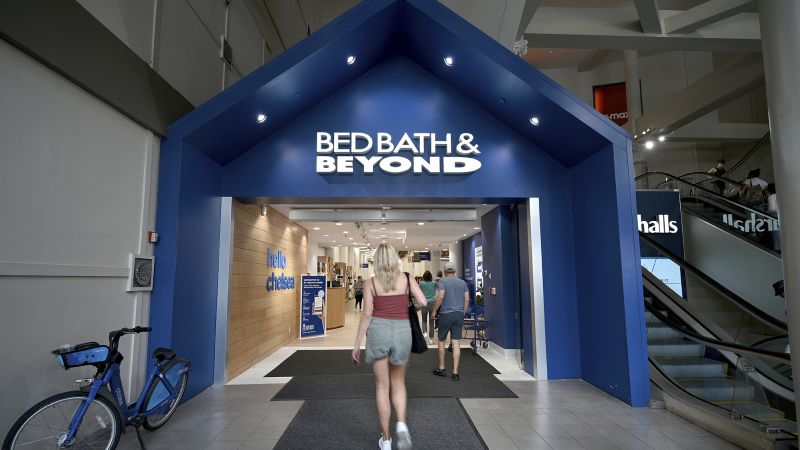
Another category killer fell this week, when Bed Bath & Beyond filed for bankruptcy.
Once the go-to stop for everything in customers’ homes, Bed Bath & Beyond was brought down by shopping changes, competition and its own missteps. But it was also a retail concept designed for a bygone era.
“That model was exciting and novel. If you liked that category, it was like a kid walking into the candy store,” said Z. John Zhang, a professor of marketing at the Wharton School of the University of Pennsylvania. “The concept has become passé.”
During the heyday of the category killer, a period when the game show “Shop ‘til You Drop” was a long-running television series, people wanted to accumulate as many goods as they could, largely unaware of how these products were made or their toll on the environment.
Buying at enormous volume, retailers could demand lower prices from suppliers and undercut their competitors.
By focusing on one area of merchandise and becoming a leader in the area, companies bet customers would turn to them whenever they needed, say, new toys for their kids, a DVD player, or bedsheets.
The combination of global supply chains, cheap container shipping overseas, falling telecommunications costs and computers enabled the category killer concept.
Companies could suddenly commission manufacturers around the world to create products and monitor supply in real time.
“What was key in the development of many category killers was the adoption of modern supply chain methods,” said Marc Levison, an economist and historian, and author of “The Great A&P and the Struggle for Small Business in America.” “It became possible to communicate from an office in New York with a supplier in China.”
Large companies with the ability to invest in sophisticated technology and software systems gained an advantage over local and regional stores.
Other factors made possible the rise of category killers, too, such as the expansion of suburbs, which led to bigger stores with larger parking lots than in cities. Customers could stock up on stuff and throw it in the back of their trunks.
The 1980s also saw a wave of department store bankruptcies, debt-financed takeovers and leveraged buyouts. This meant heavily indebted rivals to category killers weren’t able to invest in technology and supply chain management to keep up.
“Local and regional merchants were still around in the 1970s and 1980s, and it was easy to kill them off,” Levison said. “Traditional retailers were swimming in debt.”
Bed Bath & Beyond was an archetype of the category model for home furnishings.
Founded in 1971 as Bed ‘n Bath as a small linen and bath store, the company changed its name to Bed Bath & Beyond in 1987 to reflect its expanded merchandise selection and built larger superstores. It stacked linens, towels, pots and pans high to the ceiling, using coupons to draw shoppers into stores.
“We had witnessed the department-store shakeout and knew that specialty stores were going to be the next wave of retailing,” co-founder Len Feinstein said in 1993, a year after the company went public with 38 stores and around $200 million in sales.
By 2000, those figures jumped to 241 stores and $1.1 billion in annual sales.
As Bed Bath & Beyond grew, it drove out smaller linen and home decor stores.
In 2011, two Harvard Business School professors predicted online shopping would lead to a collapse of category killers.
“Just as category killers led to the demise of mom-and-pop shops, [online retailers] are leading to the death of the big-box category killer,” they wrote. “The focus that made them so powerful in the 1980s and 90s is creating the conditions for their current struggles.”
And online shopping did decimate category killers.
Amazon can compile infinite product choices on its online marketplace, taking away the advantage category killers once had over rivals on product assortment.
The lower-cost advantages that category killers once enjoyed because of their scale, which allowed them to drive down prices, has disappeared.
Unlike Bed Bath & Beyond and other chains, Amazon doesn’t have to buy products and hold inventory at warehouses — which are costly expenditures. It connects buyers and sellers and takes a fee on sales.
And big-box chains such as Walmart and Target can focus on cherrypicking high-demand products in each category, limiting their cost burden.
“If you’re a category killer, you have to assemble everything. You have to carry slow moving products, which increases costs,” said Zhang from Wharton.
More recently, category killers have also been hit hard by customers pulling back on discretionary spending because of inflation.
And they have also suffered from a change in many consumers’ priorities. People have prioritized spending money on experiences rather than possessing endless stuff, in a switch toward what’s been called “the experiential economy.”
“People pay more attention to experiences, rather than possession of material goods,” Zhang said. “Why do you need so many things in one category?”
There are still a few brick-and-mortar category killers left such as Home Depot and Lowe’s for home improvement; Dick’s Sporting Goods for sports gear; and Best Buy for electronics.
These companies sell products that many customers prefer to see and try out in person, like a new baseball glove or home theater system. The chains have been boosted by major trends such as a strong housing market, more people playing sports, and innovative new gadgets.
It’s somewhat ironic that there is now nostalgia for Bed Bath & Beyond and other once dominant chains that drove mom-and-pops out of business. But as more category killers fall, customers may be left with fewer options and lose out on convenience and product knowledge.
“We’re gonna miss these places when they’re gone. There are increasingly few stores where you can go and find any real variety or options for a product,” the urbanist writer Addison Del Mastro said on Twitter this week. “We should have more than the single Walmart option or 100 pages of spammy Amazon results.”

